How to Read a Roofing Quote in Northwest Arkansas
Anybody can write a number on a piece of paper, so what matters is everything the number leaves out.
September 30, 2026 · 4 min read
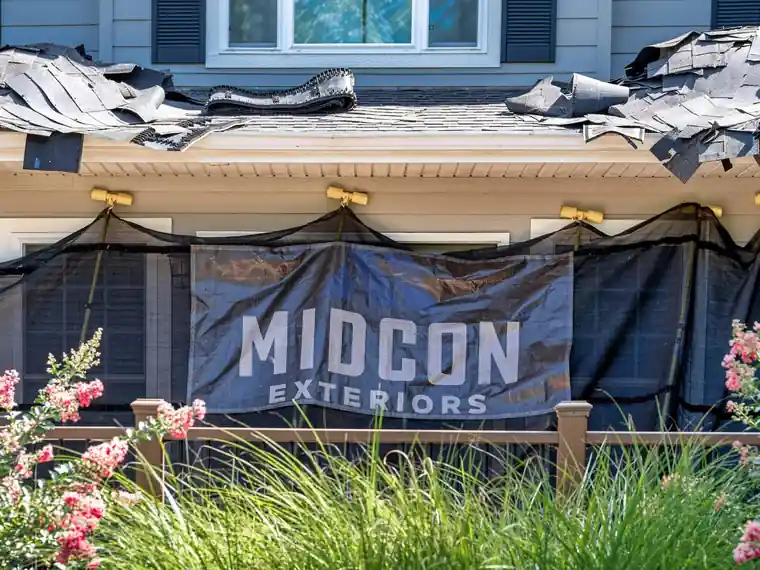
When two roofing quotes come in thousands of dollars apart, the natural reaction is to assume one company is overcharging. Sometimes that is true. More often the two quotes are pricing different roofs. The lines that matter are the ones that never appear on the front page, and they are the same lines that decide whether the roof is still keeping you dry in fifteen years.
What is between the logo and the price
Anybody can write a number on a piece of paper. What matters is everything in between. Ask each company to answer these questions in writing:
- What shingles are they using, by brand and product line?
- Synthetic underlayment or felt paper?
- Ice and water shield in the valleys, or skipped?
- Cap nails or staples?
- An actual starter strip, or a flipped shingle as a shortcut?
- Are they doubling up on valleys, or cutting corners?
Each is a place where a contractor can save money without you noticing.
Underlayment, valleys and fasteners
Underlayment is the layer between the deck and the shingles. Synthetic underlayment is tougher and handles exposure during installation better than felt, which is why skipping it is a common way to shave a quote. Valleys are where two roof planes meet and water volume is highest, so a self-adhering ice and water membrane there is cheap insurance. A valley that was skipped is a leak waiting for the next big rain.
Cap nails carry a plastic cap that holds the underlayment flat, while staples can tear through and back out over time. The starter strip goes along the eaves and rakes to seal the first course of shingles. Some crews cut a regular shingle and flip it upside down instead, which saves a few dollars on the order and weakens the edge of the roof where wind gets in first.
Shingle tiers, in plain language
Not every shingle is equal, and a quote that just says architectural shingles does not tell you much. Here is how the tiers break down:
- Class 2 and three-tab: thin, considered contractor grade, and a 25-year product going onto a 30-year roof. If someone quotes this, ask why.
- Class 3: Owens Corning Duration, TAMKO Heritage, CertainTeed Landmark. Solid, reliable and the baseline most quality contractors install today.
- Class 4 impact resistant: TAMKO Heritage IR and Atlas StormMaster Shake, tested for hail.
- SBS polymer: Malarkey Vista AR and Owens Corning Duration FLEX. The most impact resistant and the most expensive.
- Designer: thicker profiles that look like slate or cedar shake, mostly an aesthetic upgrade.
Why some quotes are high, and why some are low
A very low quote is usually missing something. Common reasons include cheaper materials from big box stores, cut corners such as staples and skipped underlayment, no license or insurance, or what we call the tail light warranty, which ends when the truck pulls away.
A very high quote is not automatically better work, though. Some companies use price anchoring, a deliberate sales tactic. In one version, the salesperson starts far above everyone else and then works with you down to a price that still sits well above market, and you feel like you won. In another, they quote a moderate shingle, you balk, and the discount arrives as a downgrade to a bottom-of-the-line product. You did not negotiate. You just bought a lesser roof at a price that sounds like a bargain.
Where does Midcon land? We are typically right in the middle of the pack. Sometimes a little more, sometimes a little less. We are comfortable being more expensive than some competitors because of the crew, the process and the warranty behind the work.
Hidden costs that belong in the conversation
Good quotes address the unpleasant surprises before the tear-off, not after.
- Wood rot and decking damage. When the shingles come off, the wood underneath is sometimes rotted. An honest contractor identifies it and replaces it. Some do not mention it until the roof is already open. Ask how decking replacement is handled and priced up front.
- Long-term water exposure. Water slowly moving through a failing roof damages decking, insulation, framing and drywall. A small fix becomes a far bigger one.
- Starter and ridge shortcuts. Flipped shingles at the eaves and three-tab used as hip and ridge cap, which puts a 25-year product in a critical spot where it will fail first.
The cheapest quote is rarely the cheapest roof
A homeowner once called us about a leak. Water was dropping drywall out of his garage ceiling, coming from a dead valley where a steep roof meets a vertical wall. We quoted $500 to do it right: pull the old shingles, lay tape, install ice and water shield, then reshingle properly. He thought that was too much, and another contractor slathered silicone caulk over everything.
Six months later, after the next big rainstorm, the leak came back worse. Our price the second time was $750. So instead of paying $500 once, he paid the other contractor, then paid us, for more than $1,000 of work that should have cost $500.
What a good quote package includes
Look for a proposal that names the shingle, the underlayment, the valley treatment, the fastener type and the starter product. It should include the license and insurance documents, spell out the warranty and explain how rotted decking is handled. It should come from someone who walked your roof and documented it.
The takeaway: put the same six questions to every company, and compare the answers before you compare the totals. A free inspection from Midcon will give you a written, detailed quote you can set beside any other.
Midcon Exteriors, (479) 308-5763
Call (479) 308-5763More articles
NWA Storm Damage: What Homeowners Need to Know
A storm is over in minutes, but what you do in the next two days and the next two years decides how well your roof and your claim hold up.
Roofing FAQs: Your Top Questions Answered
Real answers on cost, claims, materials, financing and cleanup, from a Lowell roofing crew that gets these questions every week.